
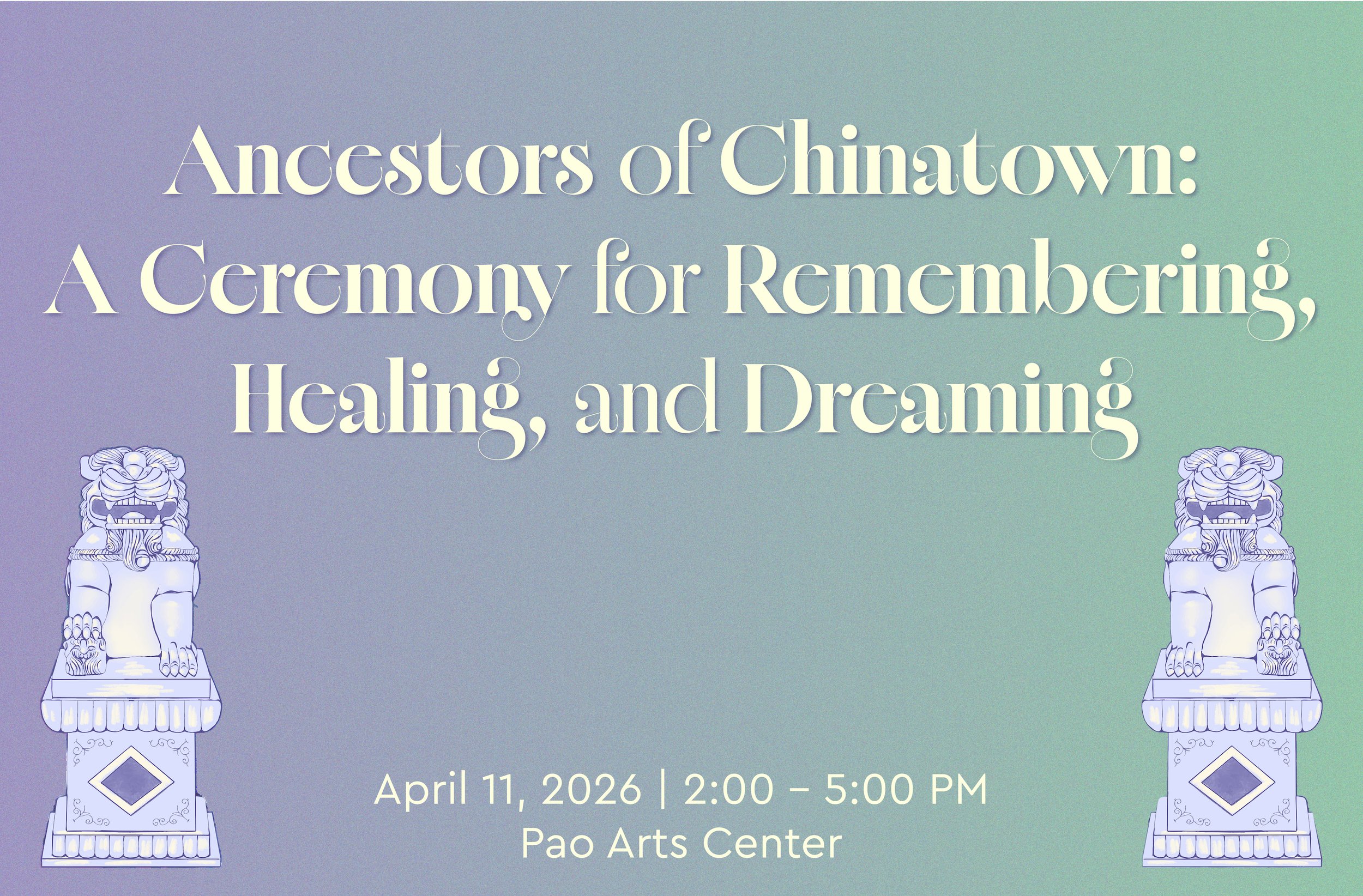
Registration coming soon.
In observance of Ching Ming, or “tomb-sweeping day,” join us with a collective ceremony that remembers and honors Boston Chinatown’s early immigrants who faced exclusion and neglect in Mount Hope Cemetery. In a storytelling panel, Friends of the Chinese Burial Grounds at Mount Hope Cemetery will share their ancestral stories, memories, as well as historical contexts of early Chinese immigrants to Boston, while featuring a new documentary film Mt. Hope Cemetery by Kenneth Eng.
What follows is an ancestral ceremony facilitated by Venerables from Quincy-based Thousand Buddha Temple that will honor the memories of those buried at Mount Hope Cemetery and offer collective remembrance for those who have shaped and sustained Chinatown and the wider Boston community. Together, participants will be invited to honor the familial, chosen, and place-based ancestors whose lives and care made our gathering possible.
This event will be in English and will have Mandarin and Cantonese translators on site.
Schedule
2:00 PM - Tea Reception
Explore Pao Arts Center’s new exhibition Temple of Our Ancestral Dreams.
2:30 PM - Storytelling Panel
Learn more about early Chinese immigrants’ stories buried at Mount Hope Cemetery from Nancy Lo, Deborah Dong, Terry Guen, Peter Kiang, and a new short film from Kenneth Eng.
3:45 PM Ancestral Ceremony
Participate in a ritual to honor those buried at Mount Hope Cemetery and our collective ancestors.
About the Artists, Organizers, and Panelists
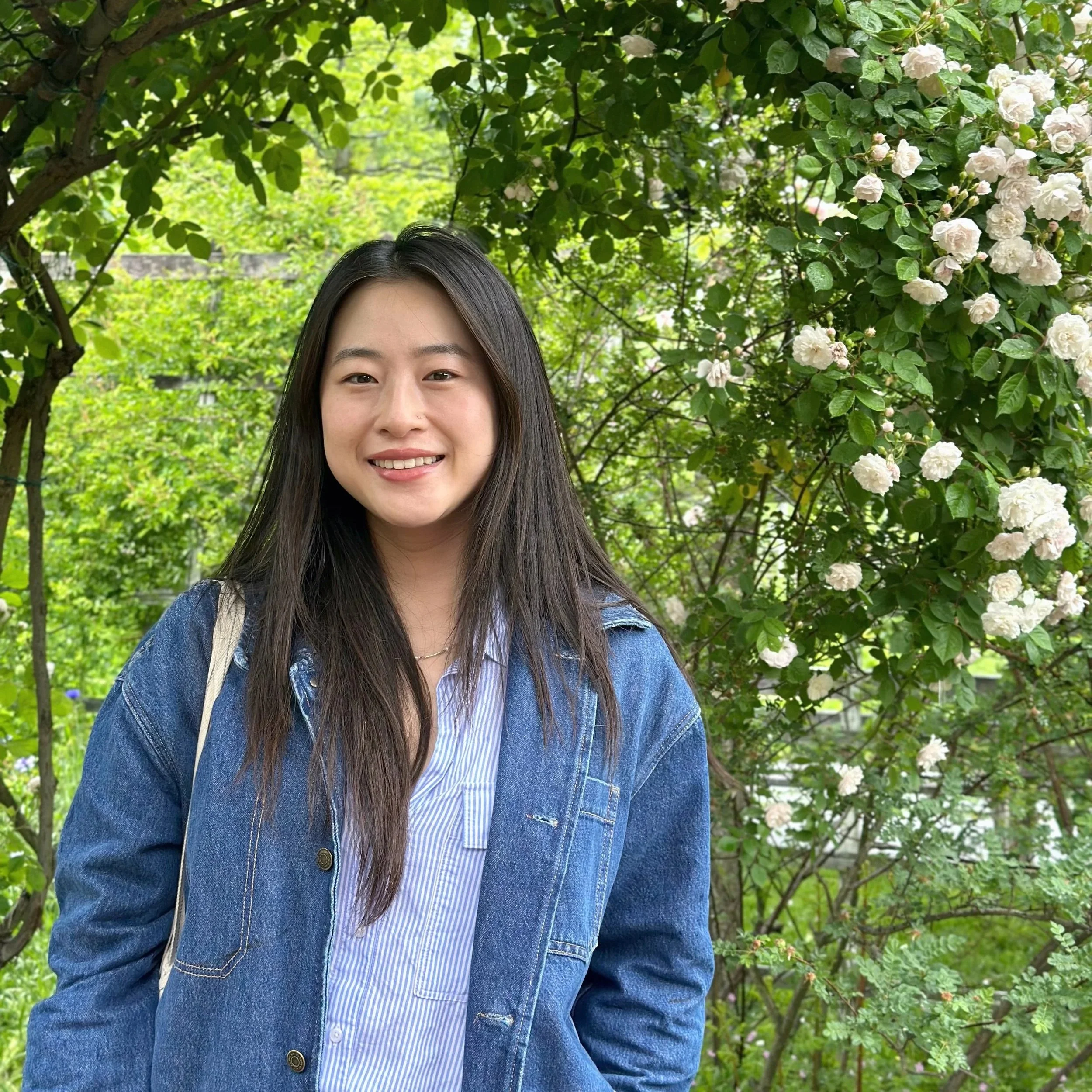
Photo credit: Maya Lee
Jiamin Li, (any)
Ceremony Organizer
Jiamin is a spiritual care practitioner and community organizer whose work centers healing, memory, and collective care in Asian American and diasporic communities. Through ritual and storytelling, they create spaces for reflection and intergenerational connection. Jiamin is currently pursuing a Master of Divinity at Harvard Divinity School, focusing on spiritual care and counseling, Asian American Buddhism, and creative practice.
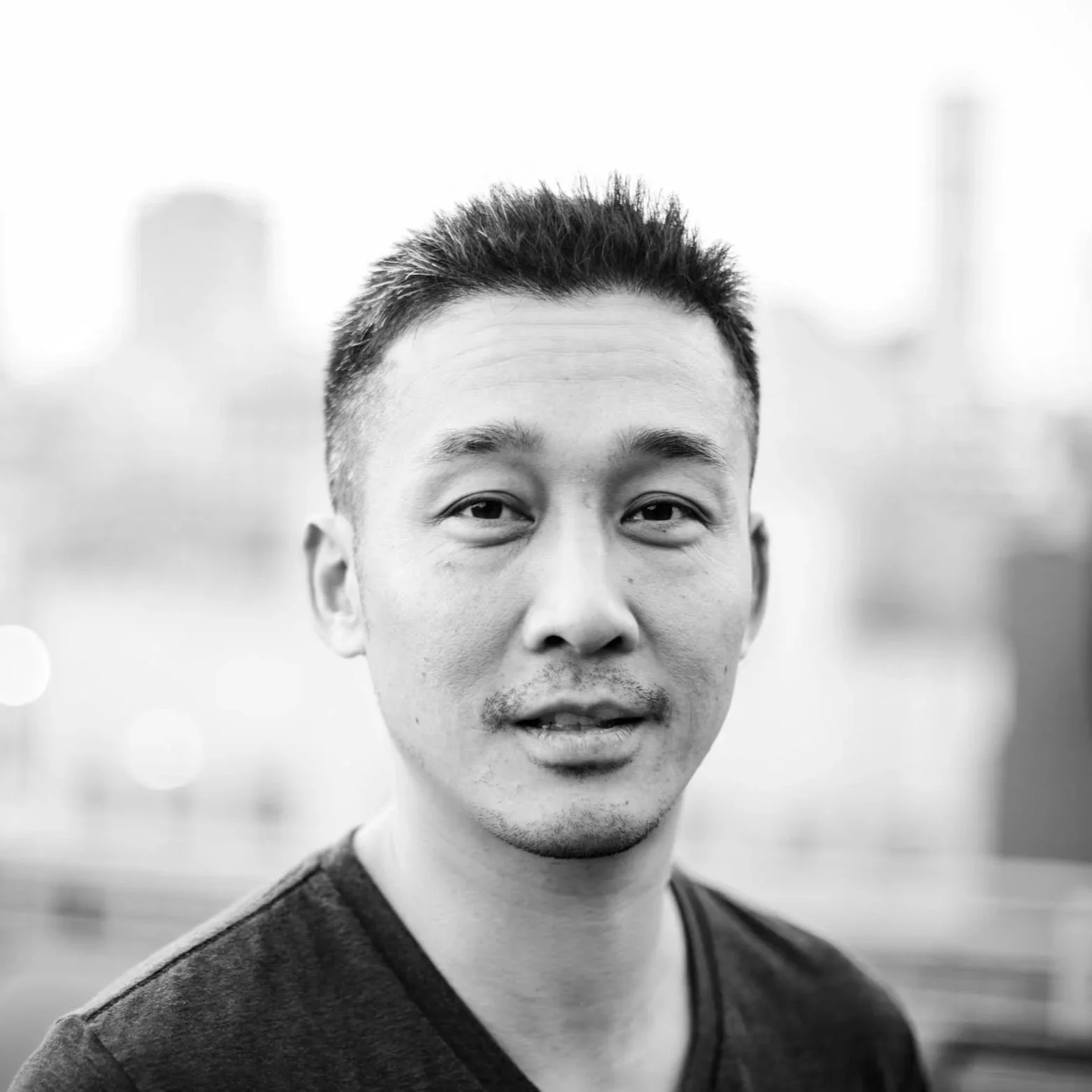
Photo credit: Mark Lord
Kenneth Eng
Filmmaker
Kenneth Eng is a director, editor, and producer whose work focuses on culture, migration, and community memory. A graduate of Boston Latin School, he studied film at the School of Visual Arts in New York. Eng went on to direct and edit several feature-length documentaries, including Take Me to the River (2001), filmed during the Maha Kumbh Mela in Allahabad, India, and Kokoyakyu: High School Baseball (2006), about Japan’s Koshien Tournament, which aired nationally on PBS as part of POV. In 2007, he received a Guggenheim Fellowship to begin My Life in China, a personal documentary completed in 2015 that retraces his father’s immigration journey back to their village in Toisan. More recently, Eng edited Tested (2016), directed by Curtis Chin, and served as cinematographer and editor for Dear Corky (2022), a short film honoring photographer Corky Lee.
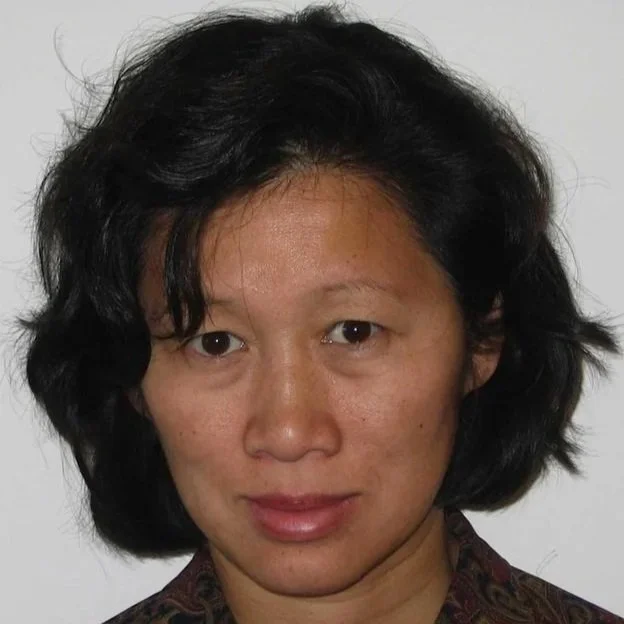
Photo courtesy of the artist
Nancy Lo
Project Manager of the Boston Chinatown Immigrant Heritage Center
Nancy Lo serves as the Project Manager for the Boston Chinatown Immigrant Heritage Center at the Chinese Consolidated Benevolent Association (CCBA), which is dedicated to preserving the community’s history. She has participated in numerous community and preservation efforts within Chinatown, including contributing to the successful listing of the Josiah Quincy School on the National Registry in 2017—the only East Coast entry recognized for Chinese American heritage. Nancy is helping to coordinate efforts for the Friends of the Chinese Burial Ground at Mount Hope Cemetery, with the goal of restoring the burial site. She is a lifelong Boston resident whose immigrant parents lived and worked in Chinatown prior to being displaced by the development of the Southeast Expressway and Massachusetts Turnpike.
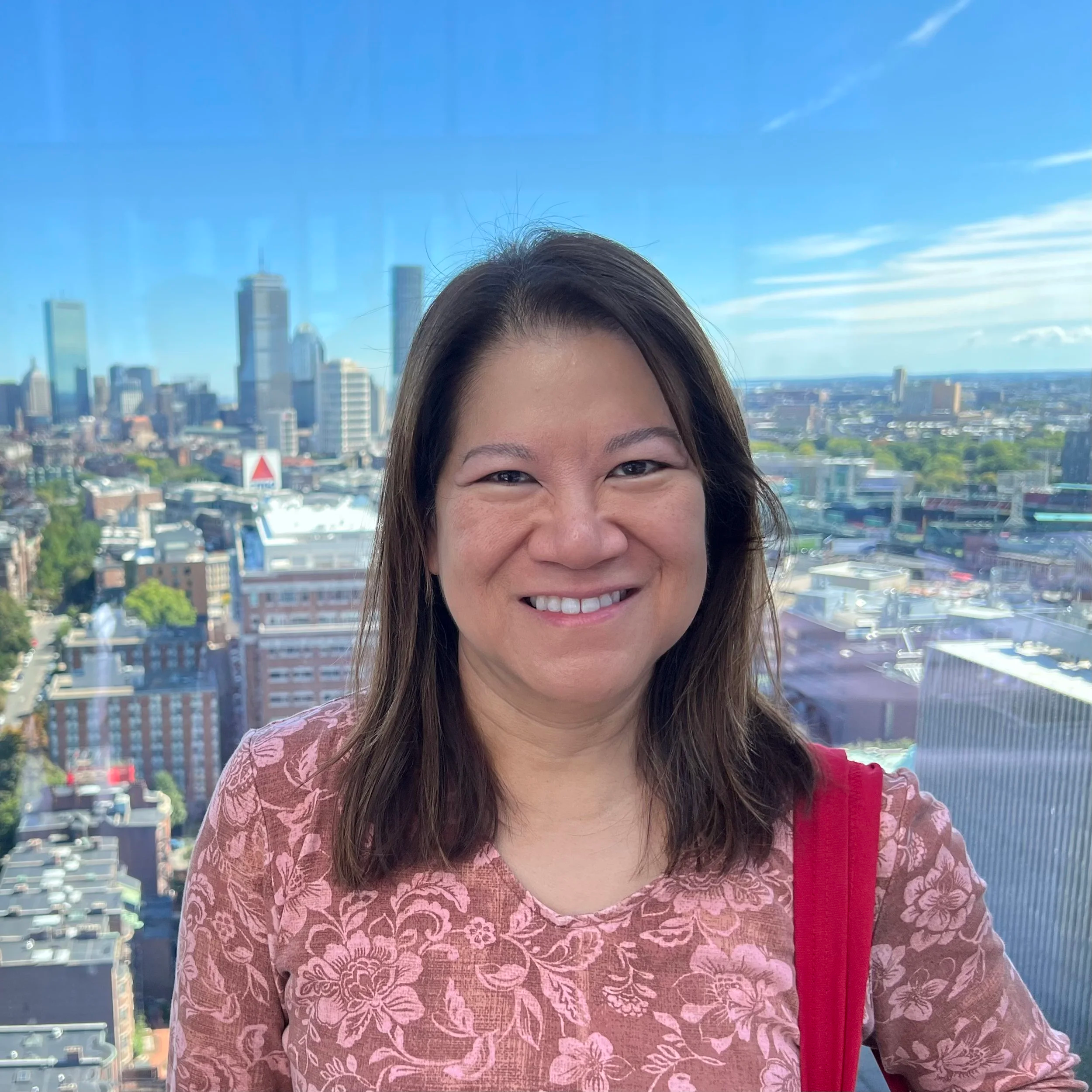
Photo credit: Da Zheng
Deborah Dong
Former President of Chinese Historical Society of New England
Deborah Dong is a Boston-born attorney with a practice focusing on technology transactions and commercial contracts. As the grandchild of immigrants who operated a laundry in Mattapan and the China City Restaurant in Brookline, Deborah was raised in Allston and is a graduate of Boston Latin School, Boston University’s Questrom School of Business and School of Law, and the University of Connecticut Law School. A former Board Member and Co-President of the Chinese Historical Society of New England (CHSNE), she and Bik Ng co-chaired CHSNE’s Mount Hope Cemetery Chinese Immigrant Memorial Project, raising over $200,000 in grants and donations, culminating in the dedication of a new memorial altar in 2007.
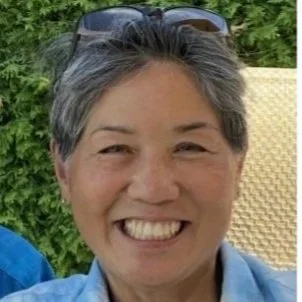
Photo credit: Terry Guen
Terry Guen
Landscape Architect
Terry Guen, FASLA is a volunteer, landscape architect with the Mt. Hope Cemetery - Chinese Burial Grounds restoration project. As a 4th generation descendant of Chinatown pioneers, and following Chinatown activist parents Amy and Ed Guen, Terry aims to convene Boston Chinatown projects which celebrate our immigrant heritage and strengthen community ties. Terry’s work with the federal Advisory Council for Historic Preservation helped identify barriers to preservation in underrepresented communities. These efforts resulted in the listing of Boston Chinatown’s Old Quincy School at 90 Tyler Street, on the National Register of Historic Places in 2017, for its architectural integrity and association with early immigration to Boston.
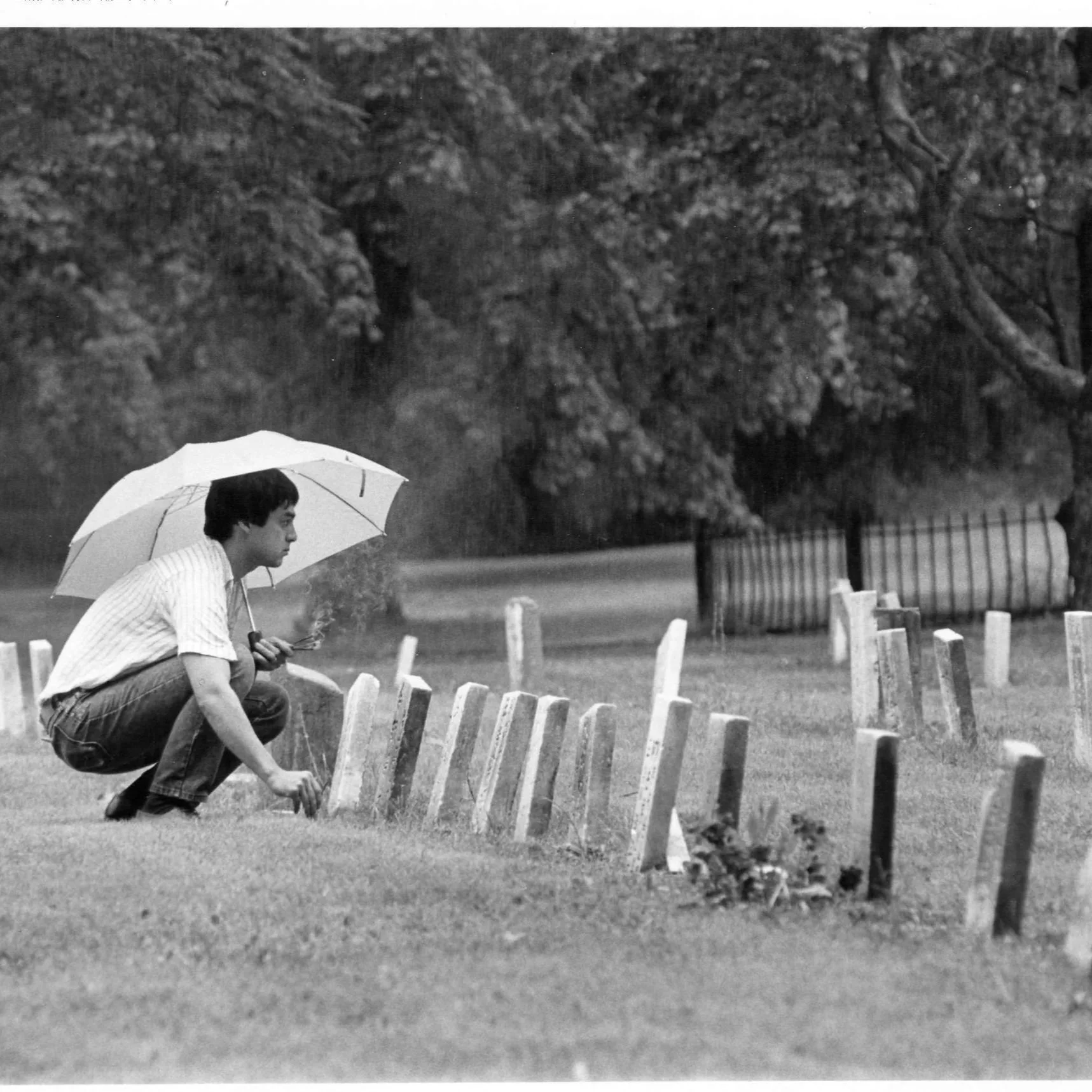
Photo credit: Richard Howard
Peter Kiang
Professor in UMass Boston
Dr. Peter Nien-chu Kiang (江念祖) is Professor and Director of the Asian American Studies Program at UMass Boston where he has taught since 1987. Peter’s research, teaching, and advocacy with Asian American immigrant/refugee students and communities have been supported by the National Academy of Education, the National Endowment for the Humanities, and others. In 2014, he received the Lifetime Achievement Award from the National Association for Asian American Studies. At UMass Boston, he is the only person ever to receive all three of the university’s highest faculty honors—the Chancellor’s Awards for Distinguished Teaching (2007), Service (2010), and Scholarship (2024). Peter served on the board of the Chinese Historical Society of New England from 1992 to 2013 with eight years as co-president. He holds a B.A., Ed.M., and Ed.D. from Harvard and is a former Community Fellow in MIT’s Department of Urban Studies and Planning.
Thousand Buddha Temple
Ritual Specialist
The Mass Bodhi Siksa Society was founded in 1990 by Master Kuan Hsien, a disciple of the Hong Kong Buddhist leader Elder Yongxing. It is a traditional Chinese Buddhist monastery established in Quincy, Boston, Massachusetts, and is a non-profit Buddhist charitable organization. The Thousand Buddha Temple, which belongs to this society, is a place for the public to enhance their Buddhist faith and to practice and study the Dharma together.
Related Programming
Temple of Our Ancestral Dreams
On view April 8 - June 19, 2026
Temple of Our Ancestral Dreams remembers and honors those who have come before us—blood, chosen, and place-based ancestors, those who have dreamed of our existence today. This multi-disciplinary exhibit activates Chinatown as a memory archive, a diasporic temple, a space for spiritual, ancestral, and communal refuge.
Performance Pilgrimages on the Immigrant History Trail
Saturday, May 16, 1:00 – 4:00 PM
Rain date: Sunday, May 17, 1:00 – 4:00 PM
In this public program, witness performance artists activate and care for the histories of Boston Chinatown along the Immigrant History Trail. Participants are invited to visit multiple performance sites across Boston Chinatown to find refuge and meditate on the deep histories embedded in the neighborhood.
About the Curators
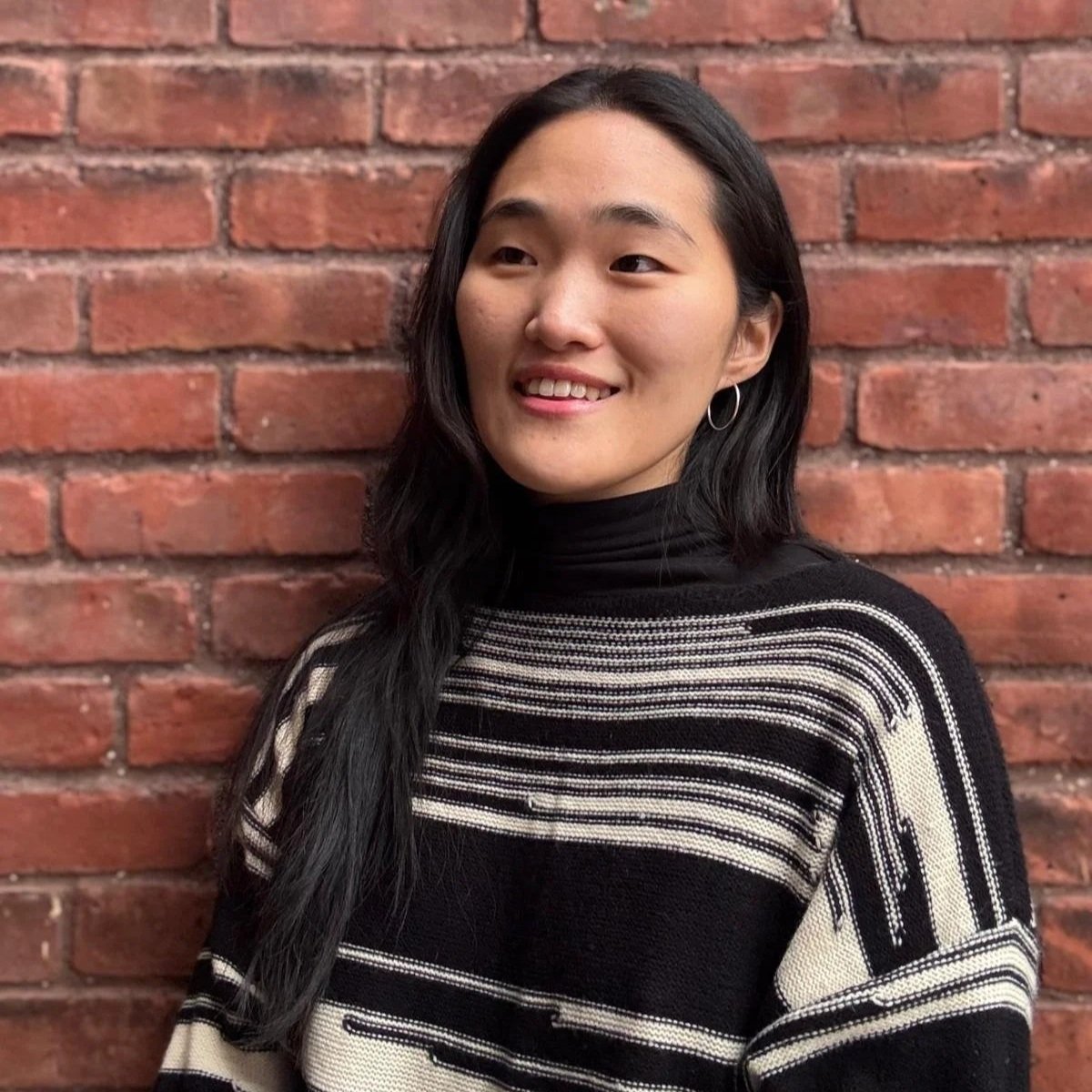
Sung-Min Kim (she/her)
Sung-Min Kim is a scholar and curator based in Boston, MA. Her research examines Asian diasporic air travel as a metaphorical and material experience of untethering, belonging, grief, and futurity. Sung-Min has worked in Boston Chinatown in various community organizations and public art projects as a project manager, researcher, and youth worker. Her curatorial practice is centered around cultivating spaces for gathering and dialogue on pertinent issues of Asian American subjectivity, politics, and community. Sung-Min is currently pursuing a PhD in Performance Studies at Tufts University.
Photo credit: Sung-Min Kim
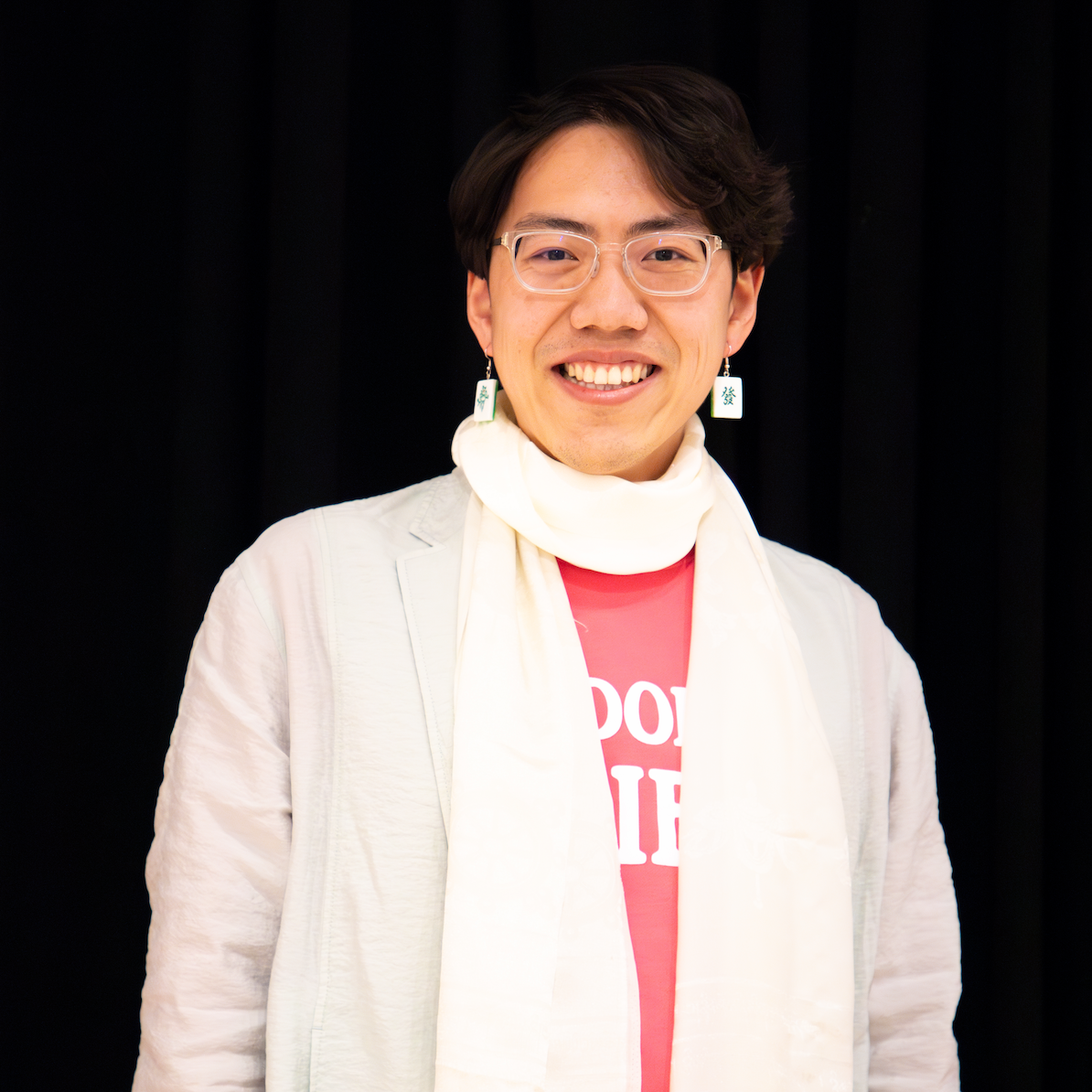
Wenxuan Xue (they/any)
Wenxuan Xue is a Boston-based theater and performance artist, curator, and educator. Their artistic practice is guided by grief work that disorients conditions of compulsory forgetting—of ancestral and spiritual lineages, queer kinships, and abundant relations to the earth.
Photo credit: Cat Lent
Supported By
Temple of Our Ancestral Dreams and its public programming are supported by the New England Foundation for the Arts' Public Art for Spatial Justice program, with funding from the Barr Foundation and the Fund for the Arts at NEFA.